
Why Grassroots Esports Events Are Thriving While Mainstream Hype Fades
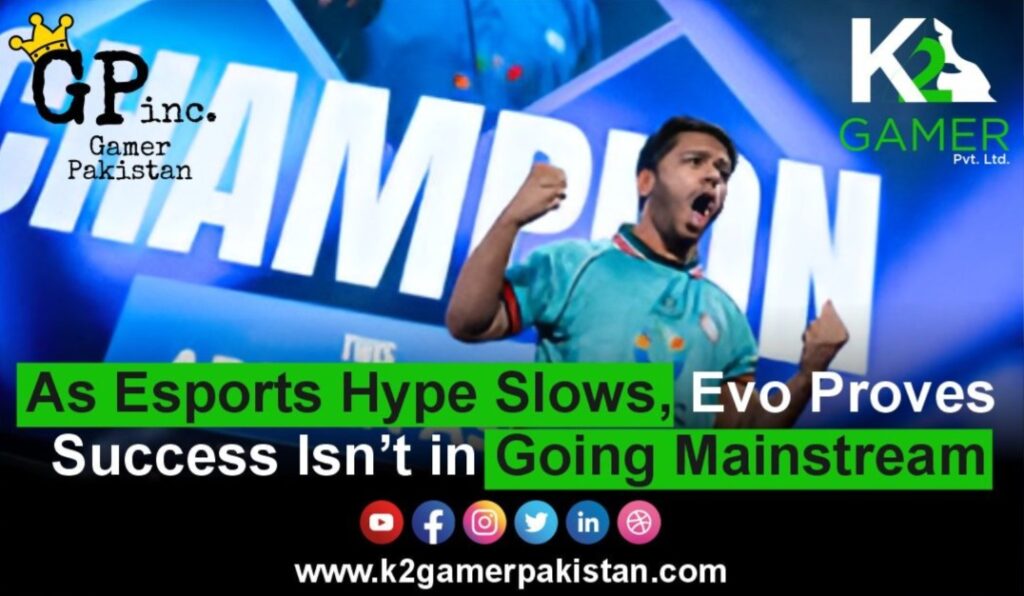
The narrative that esports is “dying” is exaggerated—but it’s not entirely baseless. What’s actually happening is a correction. For years, esports chased rapid mainstream expansion: franchised leagues, massive investor funding, and attempts to replicate the structure of traditional sports. On paper, it looked like the path to legitimacy. In reality, it created an ecosystem that was often disconnected from the very communities that built esports in the first place.
As investment slowed and returns failed to meet expectations, cracks in that model became impossible to ignore. Teams downsized, leagues struggled with sustainability, and audiences began to lose interest in overly polished but emotionally distant competitions. The issue wasn’t competition itself—it was the loss of authenticity.
This is where grassroots events offer a powerful counterpoint.
Community-driven tournaments succeed because they prioritize passion over presentation. Instead of trying to appeal to everyone, they focus deeply on the players and fans who are already invested. That focus creates a stronger sense of belonging, which in turn builds loyalty that no marketing budget can replicate.
At the heart of these events is accessibility. Open brackets allow anyone—from unknown newcomers to seasoned veterans—to compete on the same stage. This creates unpredictable storylines and underdog moments that feel genuine rather than manufactured. Viewers aren’t just watching professionals perform; they’re watching a living, evolving community.
Another key advantage is personality. Grassroots esports thrive on individual narratives—rivalries, playstyles, and personal journeys. These human elements make matches memorable, even for casual viewers. In contrast, heavily franchised systems often standardize teams and branding to the point where individuality gets diluted.
Cost structure also plays a major role. Large-scale leagues require enormous financial backing: salaries, production, travel, and infrastructure. When revenue doesn’t scale accordingly, sustainability becomes a problem. Grassroots events operate more efficiently, scaling with their audience rather than ahead of it. This makes them more resilient during economic downturns.
However, it’s important not to romanticize grassroots as a universal solution. Not every esports title can rely solely on community-driven formats. Team-based games with complex strategies and higher logistical demands still benefit from structured leagues and professional support. The real lesson isn’t to abandon mainstream ambitions entirely—it’s to stop forcing every game into the same model.
The future of esports likely lies in a hybrid approach. Developers and organizers need to support competitive ecosystems that grow organically while still providing pathways for professional play. Instead of imposing top-down systems, they should empower local communities, content creators, and smaller tournaments to flourish.
Ultimately, esports doesn’t need to chase mainstream validation to be successful. Its strength has always come from its roots: passionate players, dedicated fans, and a shared culture that evolves naturally. By reconnecting with that foundation, esports can build something far more sustainable than hype—a lasting, engaged community.
Esports Isn’t Dying—It’s Returning to Its Roots