
Evo Criticized for Daigo and MenaRD Legends Live Broadcast as Fans Question Respect for FGC Icons
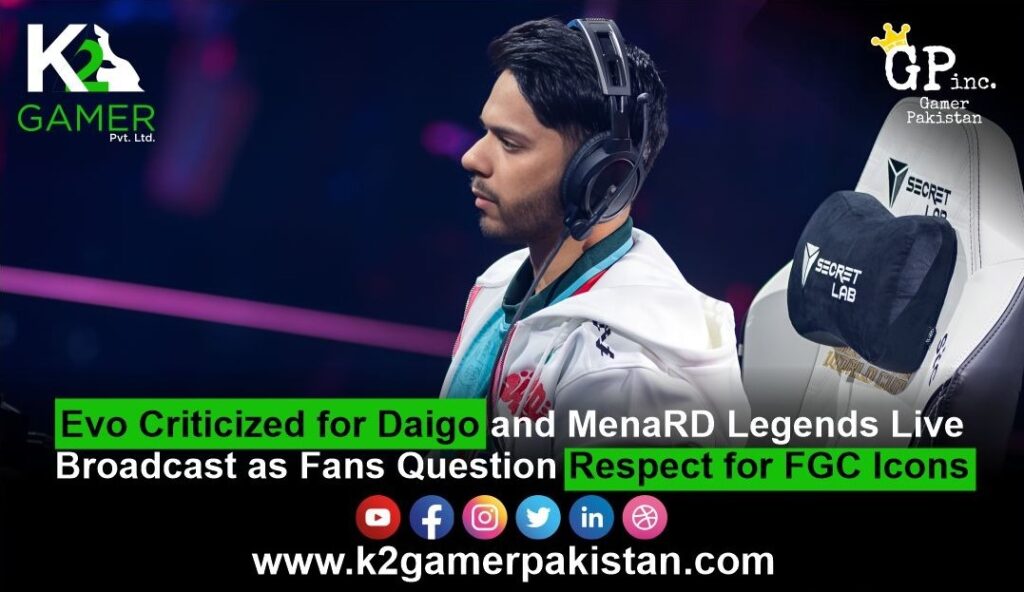
The fighting game community, commonly known as the FGC, is once again debating the direction of Evo after criticism emerged over the treatment of legendary players during the recent Legends Live broadcast. Many fans voiced frustration online, claiming the event failed to properly honor iconic competitors such as Daigo Umehara and MenaRD. The controversy has sparked a wider discussion about whether Evo still understands the culture and values that helped build competitive fighting games.
Evo has long been considered the biggest and most respected tournament platform in the fighting game scene. For years, it has been the stage where legends were created, rivalries intensified, and unforgettable moments shaped esports history. Because of that reputation, fans expect Evo to celebrate the players who elevated games like Street Fighter, Tekken, and Mortal Kombat into global spectacles.
However, the recent Legends Live segment disappointed many viewers. Social media reactions described the broadcast as rushed, poorly presented, and lacking the respect expected for stars of Daigo and MenaRD’s stature. Some fans argued that the show focused more on presentation gimmicks than storytelling, player achievements, or meaningful competitive legacy.
Daigo Umehara remains one of the most recognized names in fighting game history. Known for his discipline, consistency, and unforgettable tournament moments, Daigo is often referred to as one of the greatest players of all time. His presence at any event usually carries historical importance. Supporters felt the broadcast missed an opportunity to showcase his journey and impact on generations of players.
MenaRD, meanwhile, has become one of the modern era’s most successful champions. The Dominican Republic star earned global recognition through major Street Fighter victories and has inspired players from regions often overlooked in esports. Fans believed his achievements deserved stronger recognition and deeper storytelling during the segment.
Critics say the main issue was not simply production quality, but a disconnect with the spirit of the FGC. Unlike many esports scenes built around corporations, the fighting game community was shaped in arcades, local tournaments, and grassroots passion. Respect for veteran players, underdog stories, and competitive history remains central to its identity.
Many longtime viewers believe Evo’s growing commercial focus may be changing that identity. As the tournament expands into a larger entertainment brand, some fear authenticity is being replaced by polished broadcasts that fail to capture the emotional depth of the scene. The Legends Live criticism reflects those concerns.
Others defended Evo, noting that live productions are complex and not every segment can satisfy all audiences. They argued that experimentation is necessary if fighting games want to attract broader mainstream attention. Supporters also pointed out that featuring Daigo and MenaRD at all shows the organizers still recognize legendary talent.
Still, the backlash reveals an important message. Fans do not just want appearances from iconic players—they want meaningful tributes that respect legacy, tell stories, and connect new audiences with the roots of the community. In a scene built on passion and loyalty, presentation matters.
Evo now faces a challenge familiar to many legacy esports brands: how to grow commercially without losing the culture that made it special. If future broadcasts can balance entertainment with genuine respect for legends, the event can maintain its status as the home of fighting games.
For now, the criticism surrounding Daigo and MenaRD’s Legends Live appearance serves as a reminder that in the FGC, legacy is never just content. It is history, pride, and identity.