
Soundproof Booths Could Improve Competitive Integrity at Modern Esports Events
As esports continues to evolve into a billion-dollar global industry, discussions around competitive integrity have become more important than ever. One topic that has resurfaced among players, tournament organizers, analysts, and fans is the return of soundproof booths at major esports competitions. Many believe these booths could help create a fairer competitive environment by minimizing external distractions and preventing players from hearing crowd reactions that may unintentionally influence gameplay.
While modern esports events have adopted advanced audio equipment and noise-canceling headsets, supporters of soundproof booths argue that these measures alone may not provide complete isolation during high-stakes matches.
The Role of Soundproof Booths in Esports
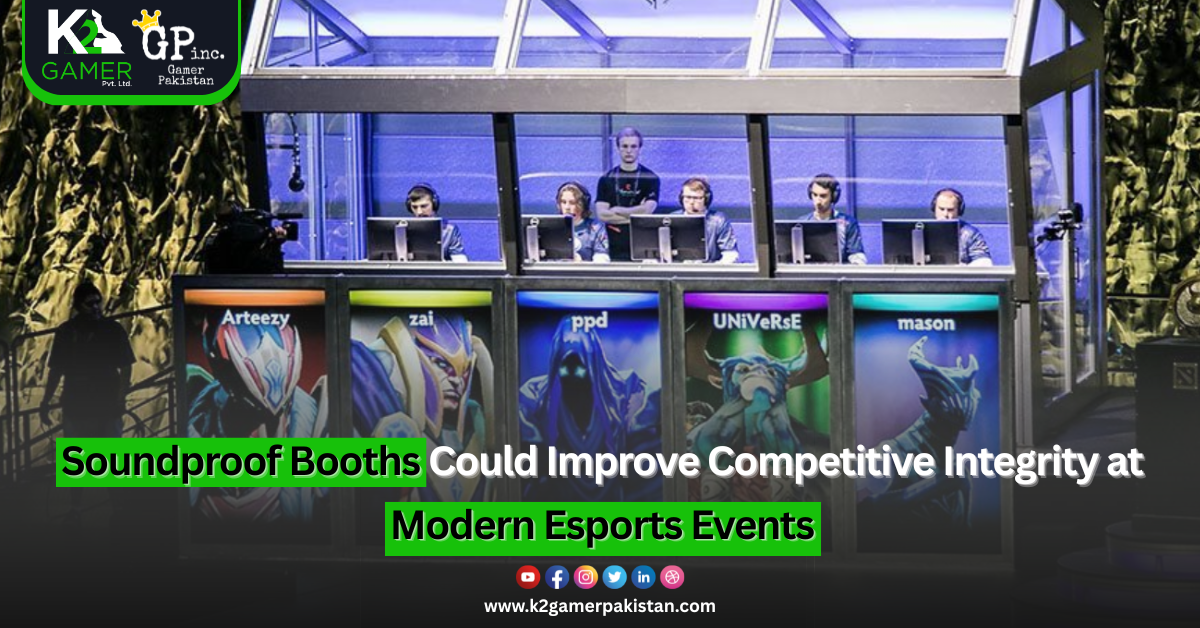
Soundproof booths were once a common feature at several international esports tournaments. Designed to isolate competitors from audience noise and external communication, these enclosed playing areas allowed players to focus entirely on the game.
Their primary objective was to eliminate environmental factors that could affect decision-making during critical moments. By reducing outside interference, booths helped maintain fairness throughout competitive matches.
Although many tournaments eventually moved away from using them due to logistical challenges, discussions about their return continue to gain momentum.
Why Competitive Integrity Matters
Competitive integrity is one of the foundations of professional esports. Every player should compete under equal conditions without receiving unintended advantages from crowd reactions, commentary leakage, or other external influences.
During live tournaments, enthusiastic audiences often react loudly to important plays, hidden strategies, or unexpected moments. Even when players wear professional-grade headsets, extremely loud crowd noise may still provide indirect information about in-game events.
Supporters believe soundproof booths can reduce these risks and create a more consistent competitive environment.
Growing Scale of Esports Events
Today’s esports tournaments attract massive live audiences and millions of online viewers. Events such as world championships and international leagues feature packed arenas where crowd excitement is a central part of the entertainment experience.
As tournament production becomes larger and more elaborate, controlling environmental distractions becomes increasingly challenging.
Many industry observers argue that investments in competitive infrastructure should evolve alongside the rapid growth of professional esports.
Benefits Beyond Noise Reduction
Modern soundproof booths offer advantages beyond simply blocking audience noise.
They can help improve player concentration during long matches, reduce psychological pressure caused by audience reactions, and create standardized playing environments for every competitor.
Professional athletes often perform better when external distractions are minimized, allowing matches to be decided purely by skill, teamwork, communication, and strategy.
For tournament organizers, stronger competitive safeguards can also reinforce the credibility of major championships.
Challenges of Reintroducing Booths
Despite their advantages, soundproof booths also present practical challenges.
Constructing, transporting, and maintaining high-quality booths requires significant financial investment. Tournament venues must also accommodate additional space, ventilation systems, lighting, camera angles, and safety requirements.
Some players have previously expressed concerns regarding heat, airflow, comfort, and communication inside enclosed booths, leading organizers to explore alternative technologies.
Advancements in headset design and audio engineering have reduced some of these concerns, although debates continue regarding whether they fully replace complete physical isolation.
Technology May Offer Modern Solutions
If soundproof booths return, they would likely differ significantly from earlier versions.
Modern materials, improved ventilation, advanced climate control, transparent designs, and enhanced production integration could solve many of the issues experienced in previous generations.
Tournament organizers may also combine booth technology with next-generation active noise cancellation and improved broadcast systems to create an optimal balance between competitive fairness and spectator experience.
Community Perspectives
The esports community remains divided on the issue.
Many professional players support stronger competitive safeguards, believing booths can eliminate unnecessary variables during important matches. Others argue that current headset technology provides sufficient protection while allowing players to remain connected to the atmosphere of live events.
Fans also recognize that crowd energy contributes significantly to the excitement of esports tournaments, making it important to preserve both competitive fairness and entertainment value.
Finding the right balance remains one of the industry’s ongoing challenges.
Looking Ahead
As esports continues expanding globally, tournament organizers will likely continue evaluating technologies that improve competitive integrity. Whether through modern soundproof booths, enhanced audio systems, or entirely new innovations, ensuring fair competition will remain a top priority.
The conversation surrounding soundproof booths reflects the industry’s growing maturity and commitment to maintaining professional standards comparable to traditional sports.
Conclusion
The renewed discussion about bringing back soundproof booths highlights the esports industry’s continued focus on fairness, professionalism, and competitive excellence. While modern technology has improved player equipment significantly, many believe dedicated soundproof environments could further strengthen competitive integrity at major tournaments. As esports evolves, balancing player performance, audience engagement, and tournament quality will remain essential for the future of competitive gaming.