
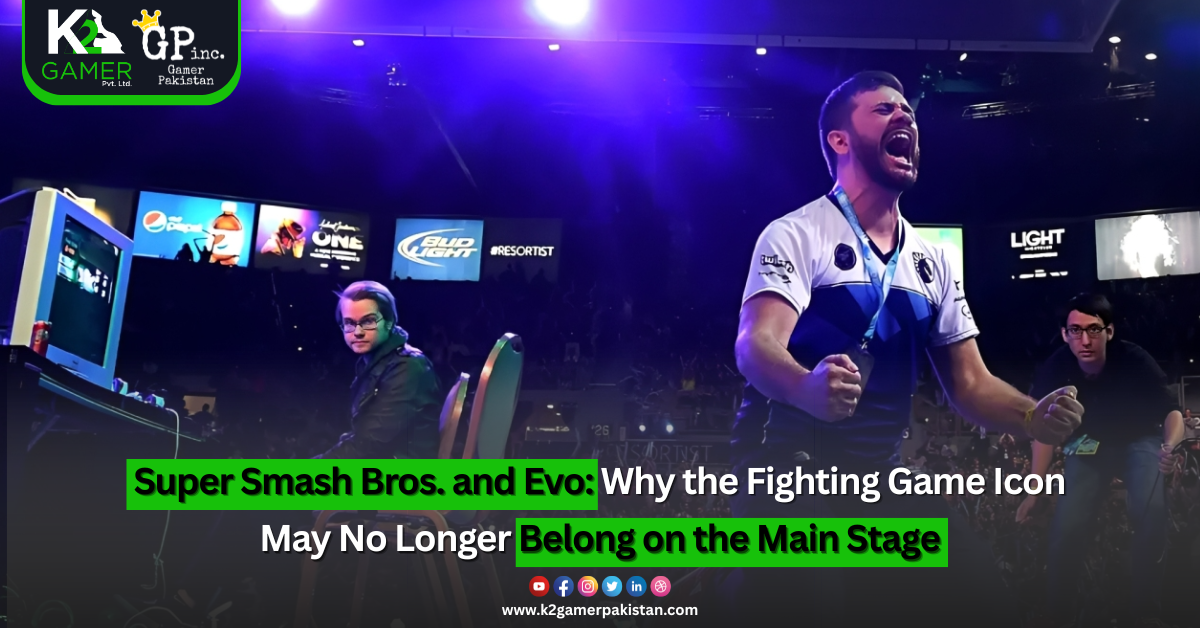
Super Smash Bros. and Evo: Why the Fighting Game Icon May No Longer Belong on the Main Stage
For years, Super Smash Bros. was one of the biggest attractions at the Evolution Championship Series (Evo), drawing massive crowds, record-breaking viewership, and unforgettable moments that helped shape the modern fighting game community (FGC). However, as Evo continues to evolve into a global esports spectacle, many fans and analysts believe that including Super Smash Bros. in the tournament’s main lineup no longer aligns with the event’s current direction.
Although the franchise remains one of the most beloved fighting games ever created, the competitive landscape has changed significantly. The discussion today is less about the game’s popularity and more about whether it fits Evo’s long-term vision and the realities of modern esports.
Super Smash Bros. Built an Enduring Legacy
There is no denying the impact Super Smash Bros. has had on competitive gaming. For decades, titles like Super Smash Bros. Melee and Super Smash Bros. Ultimate attracted passionate communities, iconic rivalries, and thrilling championship matches.
Evo played a major role in elevating the franchise by providing one of the world’s biggest stages for elite competitors. Legendary moments from Smash tournaments remain among the most memorable in fighting game history, inspiring countless players to join the competitive scene.
Its influence helped introduce millions of fans to esports and demonstrated the power of community-driven competition.
Evo Has Changed Over Time
The Evolution Championship Series has expanded dramatically over the past decade. What began as a grassroots fighting game tournament has become a globally recognized esports event featuring professional production, publisher partnerships, international sponsorships, and worldwide audiences.
Modern Evo increasingly focuses on games whose publishers actively support competitive ecosystems through balance updates, official tournaments, prize pools, and long-term esports initiatives.
As the competitive ecosystem evolves, tournament organizers must carefully select titles that align with both community interest and organizational goals.
Publisher Support Matters
One of the biggest factors influencing tournament selection is publisher involvement. Many modern fighting games receive continuous developer support, including seasonal content, balance patches, marketing campaigns, and official esports circuits.
Strong collaboration between publishers and tournament organizers helps ensure stable competitive environments and sustained audience engagement.
Without consistent official support, maintaining a prominent place at major international tournaments becomes increasingly difficult, regardless of a game’s popularity.
The Fighting Game Community Continues to Grow
The Fighting Game Community has never been more diverse. New franchises continue to emerge alongside long-established series, offering players a wide range of competitive experiences.
Games featuring active developer support and expanding competitive ecosystems have attracted growing international audiences, increasing competition for limited tournament slots at major events like Evo.
As a result, organizers must balance community demand, competitive integrity, logistics, and long-term sustainability when finalizing the tournament lineup.
Smash Community Remains Strong
Despite discussions surrounding Evo, the Super Smash Bros. competitive scene continues to thrive independently. Community-led tournaments, regional championships, online competitions, and invitational events regularly attract thousands of players and viewers around the world.
The Smash community has consistently demonstrated remarkable resilience, organizing successful events and maintaining a passionate fan base regardless of inclusion in any single tournament.
Many players believe that the franchise’s strength comes from its dedicated community rather than dependence on one particular championship.
Looking Toward the Future
The absence of Super Smash Bros. from Evo does not diminish its importance within competitive gaming. Instead, it highlights the changing priorities of modern esports organizations and the growing diversity of the fighting game ecosystem.
Future collaborations remain possible if competitive goals, publisher relationships, and community interests align. Until then, both Evo and the Smash community can continue growing along their own successful paths.
Many esports observers believe that healthy competition between independent tournaments ultimately benefits players, fans, and the broader fighting game industry.
Conclusion
Super Smash Bros. remains one of the most influential fighting games ever created, with a legacy that has shaped competitive gaming for generations. However, Evo’s continued evolution into a publisher-supported global esports event has changed the criteria for game selection. While many fans would welcome Smash’s return, the current competitive landscape suggests that its future may lie in thriving through its own dedicated tournaments rather than occupying a permanent place on Evo’s main stage.