
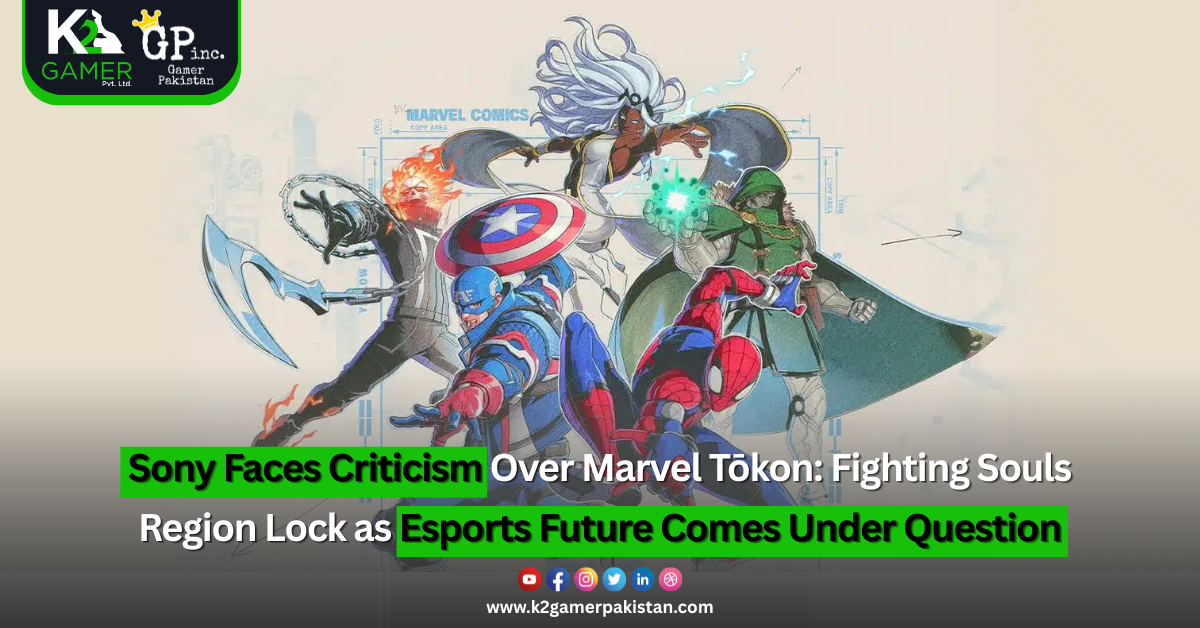
Sony Faces Criticism Over Marvel Tōkon: Fighting Souls Region Lock as Esports Future Comes Under Question
Sony has found itself at the center of controversy after its decision to implement regional restrictions for Marvel Tōkon: Fighting Souls, a highly anticipated fighting game that many believed had the potential to become a major title in the competitive esports scene. The move has triggered widespread criticism across the global Fighting Game Community (FGC), with players, tournament organizers, and content creators expressing concerns about accessibility, competitive fairness, and the game’s long-term esports prospects.
The debate has quickly spread across social media platforms, gaming forums, and esports communities, where fans argue that region-locking could significantly limit the game’s global appeal and competitive growth.
Region Locking Sparks Community Concerns
Region locking refers to restricting a game’s availability or online functionality based on a player’s geographical location. While publishers may introduce such measures for licensing, distribution, or legal reasons, they often become controversial when they affect multiplayer communities and competitive gaming.
For Marvel Tōkon: Fighting Souls, critics believe regional restrictions could divide the player base, making it more difficult for competitors from different parts of the world to practice together and participate in international events.
Many members of the Fighting Game Community have voiced concerns that limiting player access could reduce matchmaking quality, slow community growth, and discourage new players from investing time in the game.
Fighting Game Community Responds
The FGC has historically been known for its inclusive and global competitive culture. Unlike many esports titles that rely primarily on regional leagues, fighting games thrive on international competition, open tournaments, and community-driven events.
Professional players, tournament organizers, and gaming influencers have argued that unrestricted access is essential for maintaining healthy competition. Cross-region practice allows players to learn different strategies, improve their skills, and prepare for international tournaments.
Many community members fear that region locking may create unnecessary barriers that could limit the game’s competitive ecosystem before it has the opportunity to fully develop.
Esports Potential Faces Uncertainty
Before release, many fans believed Marvel Tōkon: Fighting Souls had the ingredients necessary to become a successful esports title. The combination of recognizable Marvel characters, fast-paced gameplay, and strong community interest positioned the game as a potential highlight at major fighting game tournaments.
However, concerns over regional restrictions have shifted attention away from gameplay and toward accessibility. Industry observers note that successful esports titles generally benefit from large, connected global player bases that encourage continuous competition and community engagement.
If significant portions of the community remain unable to compete together, the game’s long-term esports potential could face additional challenges.
Accessibility Plays a Key Role
Modern competitive games increasingly prioritize accessibility by supporting cross-platform play, worldwide matchmaking, and international tournaments. These features help build larger player communities while increasing the lifespan of competitive titles.
Many esports analysts believe accessibility has become one of the most important factors determining whether a multiplayer game can sustain long-term success.
Players have emphasized that reducing barriers between regions would allow Marvel Tōkon: Fighting Souls to attract a broader audience and strengthen its competitive ecosystem.
Community Hopes for Reconsideration
Despite the criticism, many fans remain optimistic that feedback from the gaming community could encourage Sony to review its regional policies. Large publishers frequently monitor community reactions after major announcements, and player feedback has influenced business decisions in the past.
Tournament organizers and competitive players continue expressing support for the game itself while encouraging greater accessibility for players worldwide.
The community hopes future updates or policy adjustments could remove restrictions and allow the title to reach its full competitive potential.
Looking Ahead
Marvel Tōkon: Fighting Souls still has the opportunity to establish itself within the fighting game genre. Strong gameplay, regular developer support, balanced updates, and community engagement could all contribute to long-term success.
However, many believe the game’s competitive future will depend not only on its mechanics but also on how accessible it remains to players across different regions.
The coming months will likely determine whether Sony adjusts its approach in response to community feedback or maintains its current regional strategy.
Conclusion
Sony’s decision to region lock Marvel Tōkon: Fighting Souls has sparked widespread debate within the Fighting Game Community, raising important questions about accessibility, competitive integrity, and the future of the game’s esports ambitions. While excitement surrounding the title remains high, many players believe that removing regional barriers would better support a thriving international competitive scene. As discussions continue, both fans and tournament organizers will be watching closely to see how Sony responds to growing community concerns.