
FGC Emerges as Esports’ Authentic Alternative Amid Industry Challenges
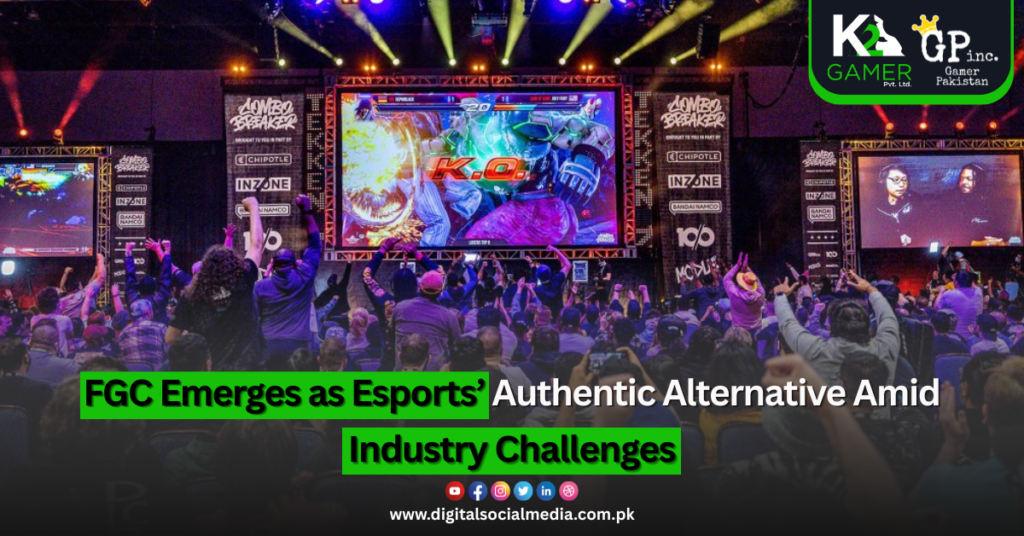
As the global esports industry navigates financial uncertainty, organizational restructuring, and shifting business models, the Fighting Game Community (FGC) is increasingly being recognized as a refreshing example of what competitive gaming once represented. While many major esports ecosystems face growing challenges, the FGC continues to attract players and fans through its grassroots identity, community-driven culture, and authentic competitive spirit.
Over the past decade, esports experienced extraordinary expansion fueled by sponsorships, franchise leagues, venture capital investment, streaming growth, and large-scale tournaments. However, recent years have brought a wave of concerns across the industry, including layoffs, shrinking investments, organizational closures, and sustainability questions.
Against this backdrop, the fighting game scene has gained renewed attention for maintaining many of the qualities that originally helped esports grow into a global phenomenon.
Unlike heavily commercialized esports models, the FGC has traditionally been built around open competition, community events, and player accessibility. Competitive fighting games such as Street Fighter, Tekken, Mortal Kombat, and newer titles continue to thrive through dedicated communities that prioritize gameplay, rivalries, and player passion.
One of the defining characteristics of the fighting game community is its grassroots structure. Local tournaments, regional events, online practice communities, and open-bracket competitions remain central to the scene’s identity. This model creates an environment where newcomers and elite competitors often share the same tournament space.
Many fans believe this accessibility represents one of the strongest contrasts between the FGC and more corporate esports ecosystems. In some franchise-driven environments, barriers to entry can be significantly higher due to organizational structures, closed leagues, or limited competitive pathways.
The FGC’s culture also places strong emphasis on individual player identity. Competitive fighting games often spotlight personal skill, adaptation, matchup knowledge, and psychological resilience. Players succeed based largely on direct competition rather than complex team infrastructures.
Industry observers note that this simplicity contributes to the FGC’s enduring appeal. Audiences are drawn to intense one-on-one matchups, emotional storylines, player rivalries, and dramatic tournament moments that define competitive fighting games.
Events such as Combo Breaker, EVO, and major international tournaments continue attracting strong participation and passionate fan engagement. These gatherings function not only as esports competitions but also as celebrations of gaming culture, community interaction, and shared enthusiasm.
While broader esports sectors continue evaluating business sustainability, the FGC has largely remained connected to its foundational principles. Community organizers, independent tournament operators, and passionate competitors often drive much of the scene’s momentum.
Streaming platforms and social media have further amplified fighting game visibility, allowing players, commentators, analysts, and content creators to expand audience engagement beyond physical tournament venues.
The resilience of the FGC may also stem from its relatively adaptable ecosystem. Without depending entirely on expensive franchise structures or large operational overhead, fighting game communities often maintain flexibility in how events are organized and supported.
That does not mean the FGC is immune to challenges. Tournament funding, sponsorship support, production costs, and long-term growth remain important issues for the scene. However, many supporters argue that its community-first approach creates stronger cultural sustainability.
The modern esports industry continues evolving rapidly. Organizations across multiple competitive titles are reassessing financial models, sponsorship strategies, and audience engagement approaches in response to changing market realities.
Within this environment, the FGC’s continued relevance highlights the enduring value of authenticity in competitive gaming. Fans frequently point to the scene’s raw energy, direct player interactions, and genuine competitive atmosphere as reasons for its lasting appeal.
Fighting game tournaments often deliver memorable moments shaped by personal determination, clutch performances, and community storytelling. These qualities resonate strongly with audiences seeking competitive experiences centered around passion rather than excessive commercialization.
Experts believe the broader esports industry may still have opportunities for reinvention and sustainable growth. Yet the FGC’s example demonstrates that strong communities, accessible competition, and authentic engagement remain powerful foundations for long-term success.
As esports continues navigating a changing landscape, the fighting game community stands out as a reminder of competitive gaming’s original spirit—driven by players, supported by passionate communities, and built around the love of competition itself.