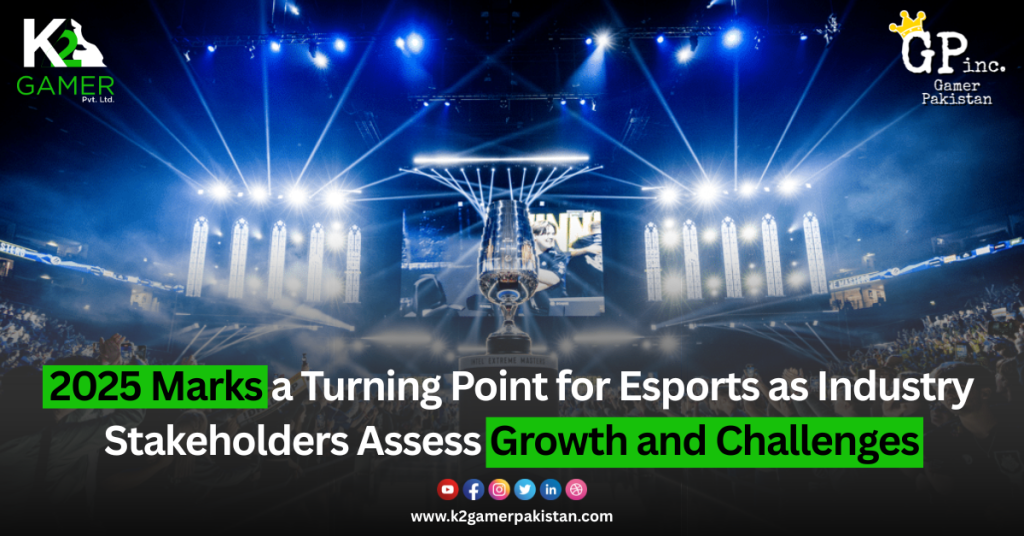
The year 2025 has been widely viewed by esports stakeholders as a period of cautious optimism, marking steady progress for an industry that continues to evolve in structure, professionalism, and public recognition. While challenges remain, industry leaders, team owners, players, and organizers believe the foundations laid during the year have strengthened the long-term outlook of competitive gaming.
One of the most notable developments in 2025 has been the gradual maturation of esports ecosystems. Tournament organization improved in terms of scheduling, competitive integrity, and player welfare. More structured leagues and standardized rules helped bring consistency to competitions, creating clearer pathways for amateur players to transition into professional roles.
Stakeholders also highlighted growth in grassroots participation. Local tournaments, campus-level competitions, and online qualifiers played an important role in talent discovery. These entry-level platforms allowed emerging players to gain exposure and competitive experience without the financial barriers often associated with international events. As a result, the player base became more diverse and sustainable.
Another key area of progress was increased collaboration between organizers and educational institutions. Training programs, workshops, and esports-focused curricula gained traction, particularly in areas related to game strategy, team management, content creation, and broadcasting. Stakeholders believe that education-based initiatives are essential for producing well-rounded professionals who can contribute to the industry beyond active competition.
However, 2025 also exposed persistent challenges. Financial sustainability remains a concern for many teams and event organizers. While sponsorship interest improved, long-term investment models are still developing. Several stakeholders emphasized the need for transparent revenue-sharing systems and responsible spending to ensure stability across all levels of competition.
Player welfare was another major topic of discussion. Issues such as burnout, mental health, and career longevity received increased attention during the year. Some organizations introduced structured training schedules, performance analytics, and psychological support, but stakeholders agree that these measures need wider adoption. Creating healthier environments is seen as critical to maintaining competitive standards and retaining talent.
Regulation and governance also featured prominently in 2025 discussions. The absence of unified frameworks across regions continues to create inconsistencies in contracts, player rights, and dispute resolution. Industry leaders argue that clearer guidelines and cooperative governance models would help build trust among players, teams, and investors.
Technology advancements further shaped the esports landscape in 2025. Improved streaming quality, enhanced spectator tools, and data-driven performance analysis enriched both player preparation and audience engagement. These innovations helped esports events reach broader audiences and improve viewing experiences, reinforcing esports as a mainstream entertainment option.
Despite ongoing obstacles, stakeholders remain hopeful. They believe the lessons learned in 2025 will guide smarter decision-making in the years ahead. The focus is shifting from rapid expansion to sustainable growth, with an emphasis on professionalism, education, and long-term planning.
As the industry looks ahead, 2025 is likely to be remembered as a year of adjustment and reflection. While esports has not yet reached its full potential, stakeholders agree that the progress made during the year has brought the industry closer to a stable and respected position within the global sports and entertainment ecosystem.